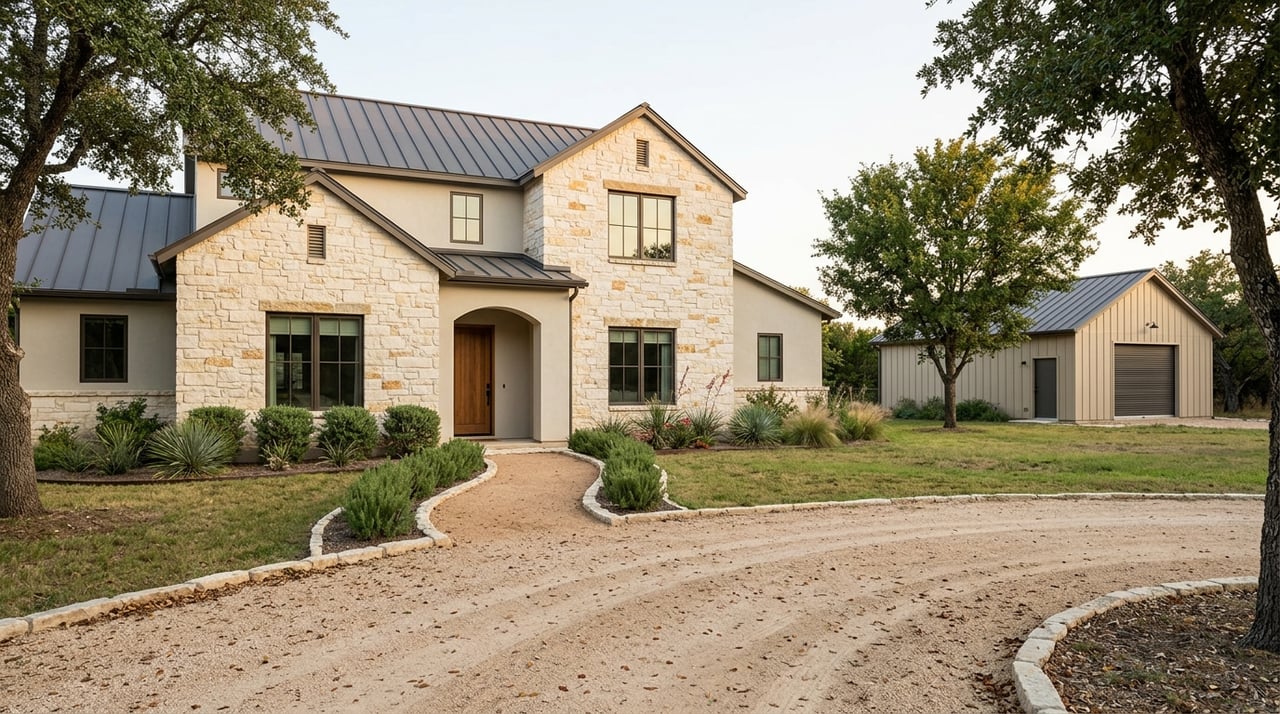
La Vernia Small Acreage Homes Near Adkins
July 16, 2026
July 16, 2026
Dreaming about a little more land without giving up everyday convenience? Small-acreage living around La Vernia and Adkins can offer that sweet spot: space for a garden, a workshop, extra parking, or simply more breathing room. But in this part of Wilson County, the best property is not always the one with the most acreage. It is the one that fits how you want to live, day in and day out. Let’s dive in.
If you are looking around La Vernia and Adkins, you are likely shopping for more than a house. You are looking for a lifestyle that feels more open and flexible than a typical neighborhood lot. That may mean room for outdoor projects, a future barn, or a home setup that gives you more privacy.
The key is that usable acreage matters more than the number on the listing. A property can look great online, but the real test is whether the land supports your plans. Water, sewer or septic, road access, drainage, utilities, and deed restrictions all play a big role.
One of the biggest mistakes buyers make is assuming that nearby properties all have the same utility setup. Around La Vernia and Adkins, utility service can change from one tract to the next. That is why it is smart to verify every service at the exact address before you move forward.
Inside La Vernia city limits, the city provides water and sewer service. The city also lists multiple electric and internet options, including FELPS and GVEC for electric service, GVEC fiber optic internet, other internet providers, and West Texas Gas. The city has also shared that it is adding water capacity and improving streets as growth continues.
La Vernia’s Public Works department says its water system meets the Texas Commission on Environmental Quality’s Superior Public Water System recognition requirements. At the same time, city water customers are currently under Stage 2 water restrictions, which can limit some irrigation and outdoor water use. If you want a large garden or significant landscape watering, that is worth checking before closing.
Once you move outside city limits, the picture can change quickly. Water service may come through a utility district rather than the city. East Central Special Utility District, which operates from Adkins, posts current water restrictions, which is a helpful reminder that rural utility rules are often area-specific.
If a property does not have city sewer, septic usually becomes part of the conversation. In Texas, almost all on-site sewage systems need a permit before construction, repair, or alteration. For many small-acreage buyers, that makes septic condition and permitting history just as important as the house itself.
A beautiful tract is only as practical as its access. In Wilson County, permits are required for development, driveways, and septic work. That means your plans for the property may depend on more than what you can physically see during a showing.
If you are considering a split tract or a property with unusual access, road frontage can become a major issue. Wilson County subdivision rules indicate that, in some split scenarios, deeded road frontage must meet county standards. That is one reason a property with simple, clear access often feels easier to own and easier to resell.
Access is not just about getting from the road to the house. It also affects trailers, deliveries, parking, future improvements, and how comfortably you can use the land every day. A tract with a workable driveway location and straightforward road access may serve you much better than a larger parcel with limitations.
This is especially true if you plan to add fencing, a workshop, or other improvements over time. Before making an offer, it helps to understand what the county requires and whether the current setup supports your goals.
In rural and semi-rural areas, drainage can shape how a property functions more than buyers expect. Wilson County requires a Floodplain Development Permit in special flood hazard areas. So even if a home itself seems fine, floodplain status can affect what you are allowed to do later.
That is why floodplain review should be part of your early due diligence, not a last-minute detail. If part of the tract falls in a flood-prone area, it may influence building options, driveway placement, fencing plans, or future additions.
Open land can be appealing at first glance, but not every acre is equally usable. Low spots, drainage paths, and flood-related restrictions can change how you use the land in practice. For buyers focused on flexibility, this is one of the most important details to confirm.
Many buyers assume county properties automatically come with fewer rules. In reality, private deed restrictions can be more limiting than county regulations. Wilson County’s subdivision rules state that non-standard plat requests will not be approved if they conflict with covenants or deed restrictions.
That matters if you are hoping for space for equipment, a barn, fencing, hobby animals, or future lot changes. A property may feel rural, but the governing documents can still limit what you can do there.
When you review restrictions, focus on how you actually want to live on the property. Ask whether the rules affect:
A tract that supports your lifestyle from the start is usually the better long-term fit.
Small-acreage buyers sometimes assume a tract will automatically come with favorable tax treatment. In Wilson County, agricultural valuation is a special-use valuation, not a general exemption. Wilson CAD notes that small acreage tracts with a residence are generally considered residential.
That distinction matters because a change in land use can trigger rollback taxes for the prior three years of tax savings. After closing, Wilson CAD also recommends that a new owner visit the appraisal district to update ownership information, confirm the mailing address, and ask about exemptions or special-use valuation questions.
Tax status is not just a closing issue. It can also affect future marketability and your long-term cost picture. Buyers tend to respond well to properties with a clear, understandable tax story and fewer surprises.
For many buyers, La Vernia and Adkins are not just about land. They are also about balancing extra space with access to San Antonio. If you work in the city, your daily drive should be part of the property decision from day one.
TxDOT has proposed roadway and drainage improvements to US 87 from the Bexar/Wilson County line to FM 1346, including an upgrade to a four-lane divided highway. That makes corridor access an important part of how you evaluate convenience, daily routine, and long-term appeal.
Deeper rural tracts often give you more elbow room. Properties closer to major travel routes may offer a simpler commute and easier day-to-day living. Neither option is automatically better, but the right choice depends on how you want your week to feel.
For many buyers, the best fit is the property that balances:
When you are comparing small-acreage homes around La Vernia and Adkins, a few smart questions can help you avoid expensive surprises.
Ask about:
These answers often tell you more about day-to-day livability than the acreage count alone.
The most appealing small-acreage properties are usually the ones with the least friction. They have clear access, a straightforward utility setup, practical land use, and fewer hidden issues tied to floodplain, restrictions, or tax treatment.
That does not mean every property needs to be perfect. It means you want to understand the tradeoffs clearly before you commit. When you do, you can choose a home that supports both your lifestyle now and your resale goals later.
If you are thinking about buying or selling a small-acreage property around La Vernia, Adkins, or the greater San Antonio area, working with a local guide can make the details much easier to navigate. For personalized help evaluating land, homes, and the real-world factors that matter most, connect with Melisa Fitchett.
Stay up to date on the latest real estate trends.
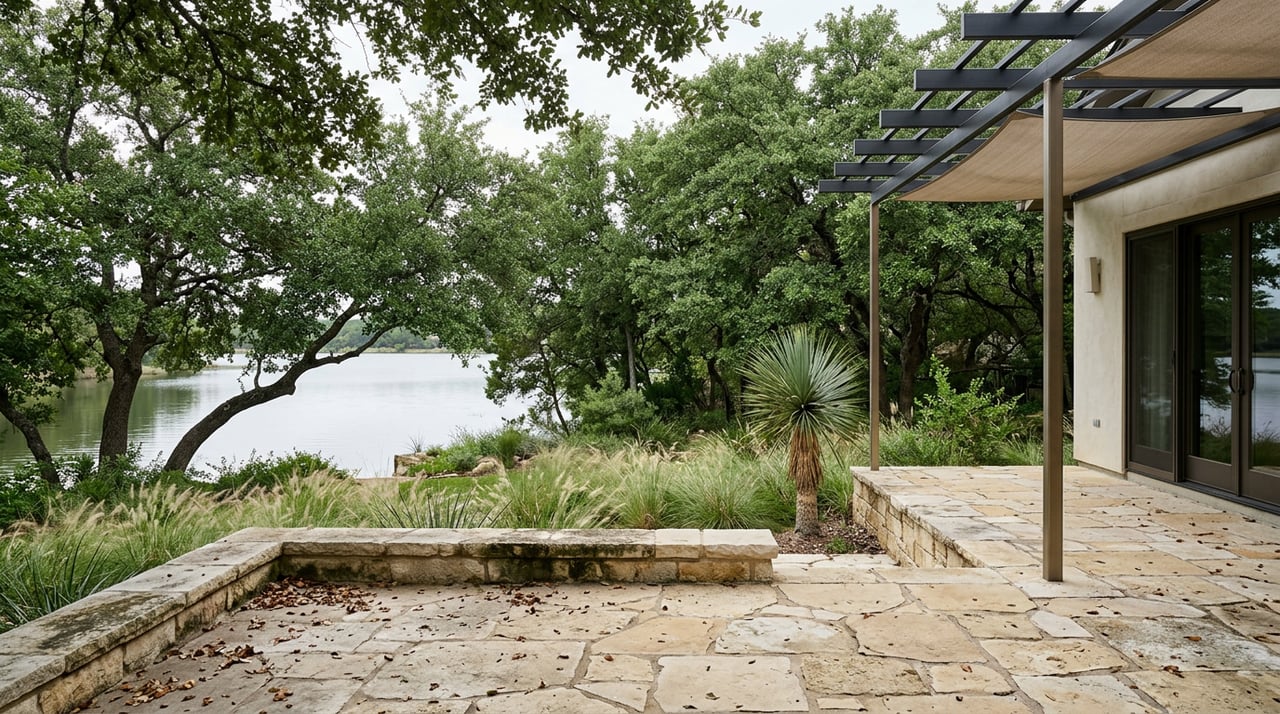
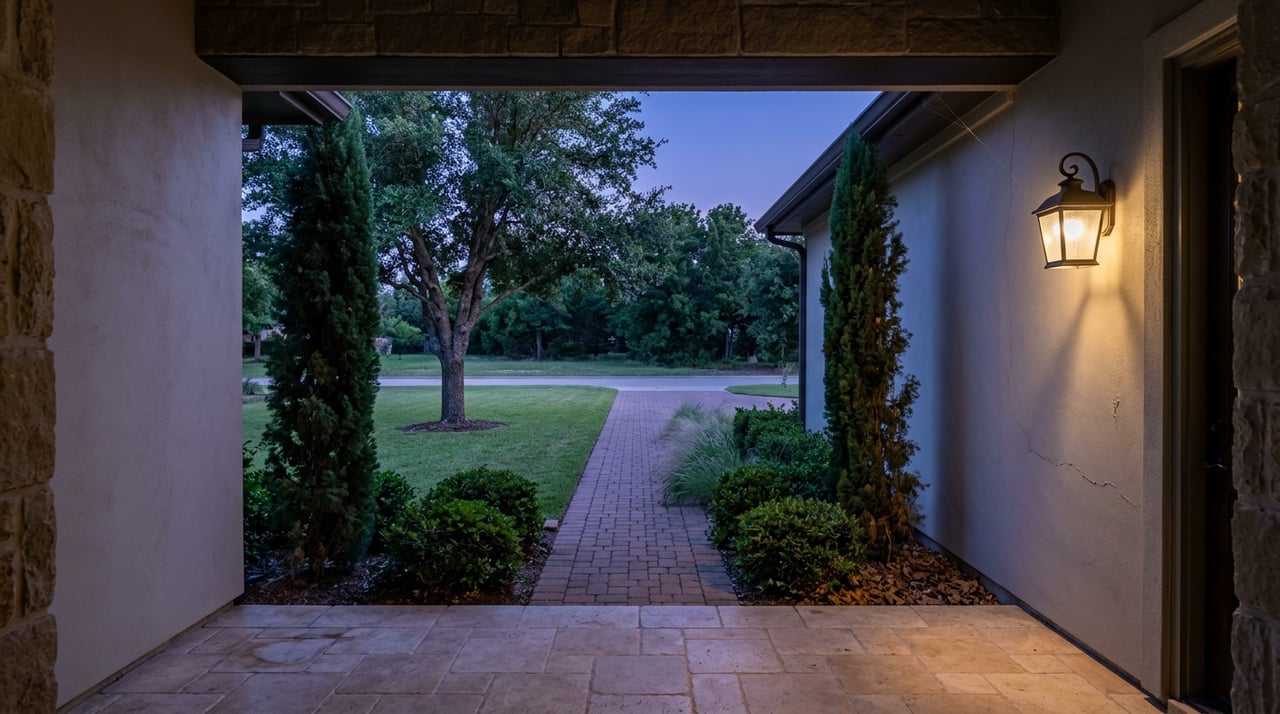
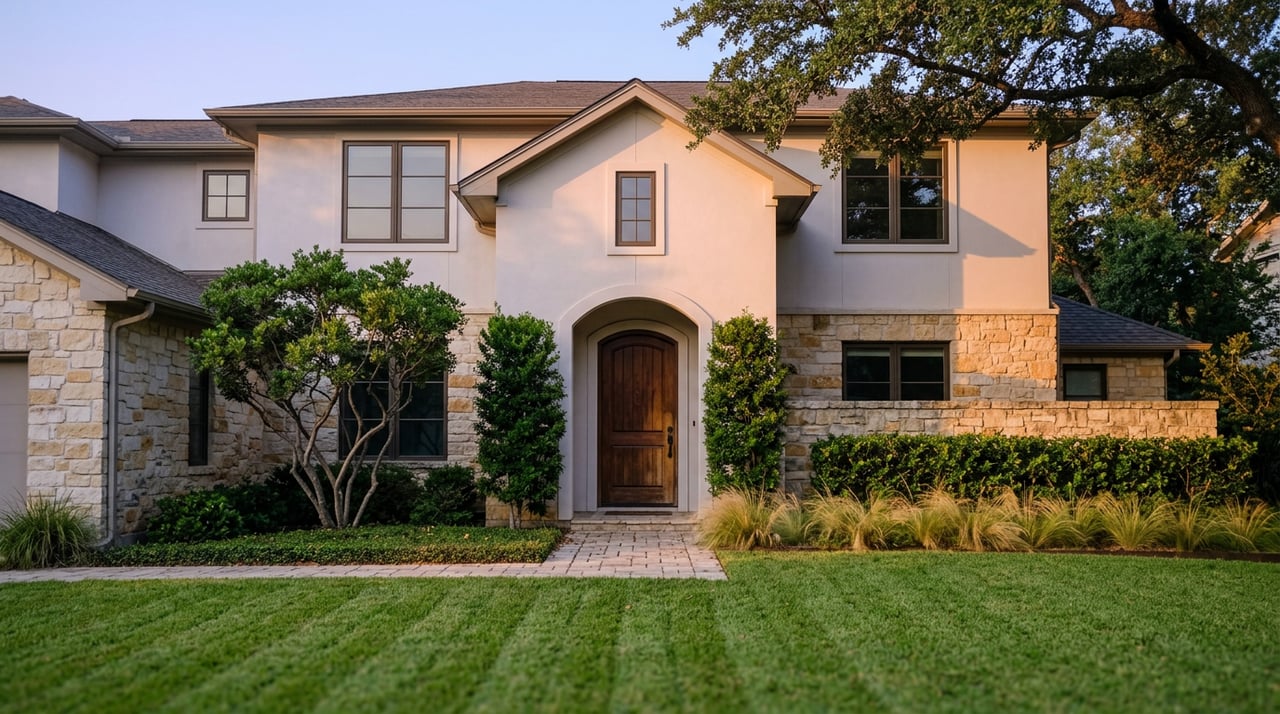
Ready to find your dream home in San Antonio? Partner with Melisa Fitchett, your dedicated Real Estate Agent with an in-depth knowledge of the area and a commitment to providing exceptional service. Whether you're looking for a cozy neighborhood in Timberwood Park or exploring vibrant communities like Bulverde, Spring Branch, Boerne, and the Hill Country, Melisa's keen eye for details ensures a seamless and rewarding real estate experience.