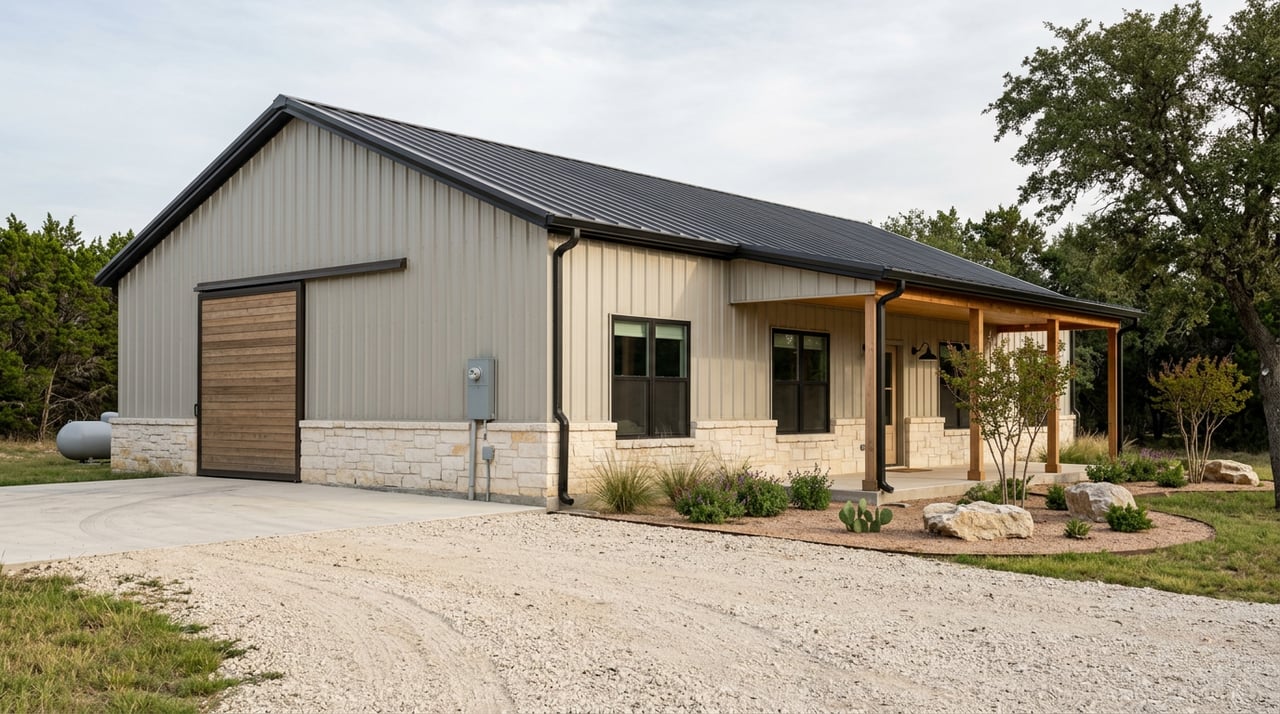
A Smart Guide to La Vernia & Adkins Land Buying
March 5, 2026
March 5, 2026
Dreaming of open skies, elbow room, and a barndominium that fits your life? If you are eyeing acreage around La Vernia and nearby Adkins, you are not alone. Moving from a suburban lot to land is exciting, but it adds new steps, from utilities and permits to financing and tax planning. This guide walks you through what to check first so you can buy confidently and build without surprises. Let’s dive in.
La Vernia is an incorporated city in Wilson County. Inside city limits, many lots can tap city water and sewer, subject to capacity and hook-up rules from the City’s Utility Department. You will still confirm availability at the exact address and any tap fees or timelines. Review the City of La Vernia Utility Department to understand service areas and policies.
Adkins sits just north and northeast of La Vernia in eastern Bexar County. That means different county offices, tax appraisals, and permitting rules once you cross the county line. Before you write an offer, confirm which county and jurisdiction your target lot falls under.
City of La Vernia Utility Department
Buying land is different from buying a house in a subdivision. These checks help you avoid costly setbacks later.
Do not rely on a listing blurb. Search official county records for the deed, subdivision plat, any restrictive covenants, and easements. Platted subdivisions almost always have recorded covenants, and those rules can affect what you can build, your setbacks, and whether barndominiums are allowed. Pull documents before you commit so you know what you are buying.
Wilson County official records search
Order a title commitment and require a current boundary survey in your contract. The commitment’s exceptions will flag recorded easements and liens, and the survey will show access, building lines, and any encroachments. If access is unclear or the legal description is vague, make the survey a condition of closing.
In Texas, the mineral estate is often severed from the surface, and the mineral owner can have priority in some scenarios. Ask early whether the seller will convey minerals and consider an attorney review or a separate mineral-title search if you are buying larger acreage or see oil and gas activity nearby. Learn the basics of mineral ownership and why it matters.
What to know about mineral rights in Texas
Lenders and appraisers expect proof of legal, insurable access. Confirm recorded access easements or a county right of way. If access crosses a neighbor’s land, make sure the easement is recorded and adequate for future construction traffic.
Utility availability and site conditions can add thousands to your build. Get written estimates before you close.
Well performance and water quality vary by site. Search state well reports for your parcel and nearby properties, and plan for a pump test and water testing after drilling. Local groundwater rules can apply.
Texas well report search (TWDB)
If the lot is not on sewer, you will need a county septic permit. Soil type and site slope will determine what system you can use and the cost. Confirm with the county early, since percolation limits can change your house placement or drive costs higher.
Wilson County permits and forms
Floresville Electric Light & Power System (FELPS)
Wilson County requires driveway permits for crossings of county rights of way and may require culverts to meet county standards. Confirm driveway requirements before finalizing your site plan.
Wilson County permits and forms
If you are buying acreage with an agricultural appraisal, understand how it works and what happens if use changes. Texas offers special 1-d-1 open-space appraisal for land that meets agricultural use and intensity standards, usually proven over at least five of the last seven years. If the land stops qualifying, you may owe rollback taxes for prior years. Always confirm current status with the county appraisal district and plan for the impact if you convert a portion to homesite use.
Texas Comptroller guidance on ag and timber appraisals
Financing land and new construction is different from buying an existing home, so start lender conversations early.
Raw land is higher risk for lenders. Expect larger down payments and shorter terms for raw land loans. Improved lots with utilities and public road access may qualify for better terms. Local banks and credit unions often have the most flexible options for buyers who plan to build soon.
Most new builds use a construction loan that funds in stages, then converts to a permanent mortgage after you finish. During construction, you typically pay interest only on the amount drawn. Lenders require plans, a licensed builder contract, and inspections for each draw.
Some rural properties qualify for USDA programs, including construction-to-permanent options that a subset of USDA-approved lenders offer. Property eligibility is address specific, and underwriting may be conservative for nonstandard structures. Talk with lenders who have experience financing barndominiums before you commit to a plan.
USDA loans and barndominiums overview
A barndominium shell can go up quickly once your foundation and materials are ready, but permitting, site work, and interior finish often take longer than expected.
How long it takes to build a barndominium
Key budget items many buyers overlook:
Use this quick sequence to keep your due diligence on track:
Building a life on land is a big step. You deserve clear answers, proven partners, and a plan that matches your budget and timeline. If you want a trusted advocate who can help you assess buildability, coordinate due diligence, and connect you with lenders and builders who work in this corridor, reach out to Melisa Fitchett. As a certified MRP, ABR, GRI, SRES, and CLHMS/LHS professional with deep San Antonio and Hill Country insight, she will help you move forward with confidence.
Stay up to date on the latest real estate trends.
Ready to find your dream home in San Antonio? Partner with Melisa Fitchett, your dedicated Real Estate Agent with an in-depth knowledge of the area and a commitment to providing exceptional service. Whether you're looking for a cozy neighborhood in Timberwood Park or exploring vibrant communities like Bulverde, Spring Branch, Boerne, and the Hill Country, Melisa's keen eye for details ensures a seamless and rewarding real estate experience.