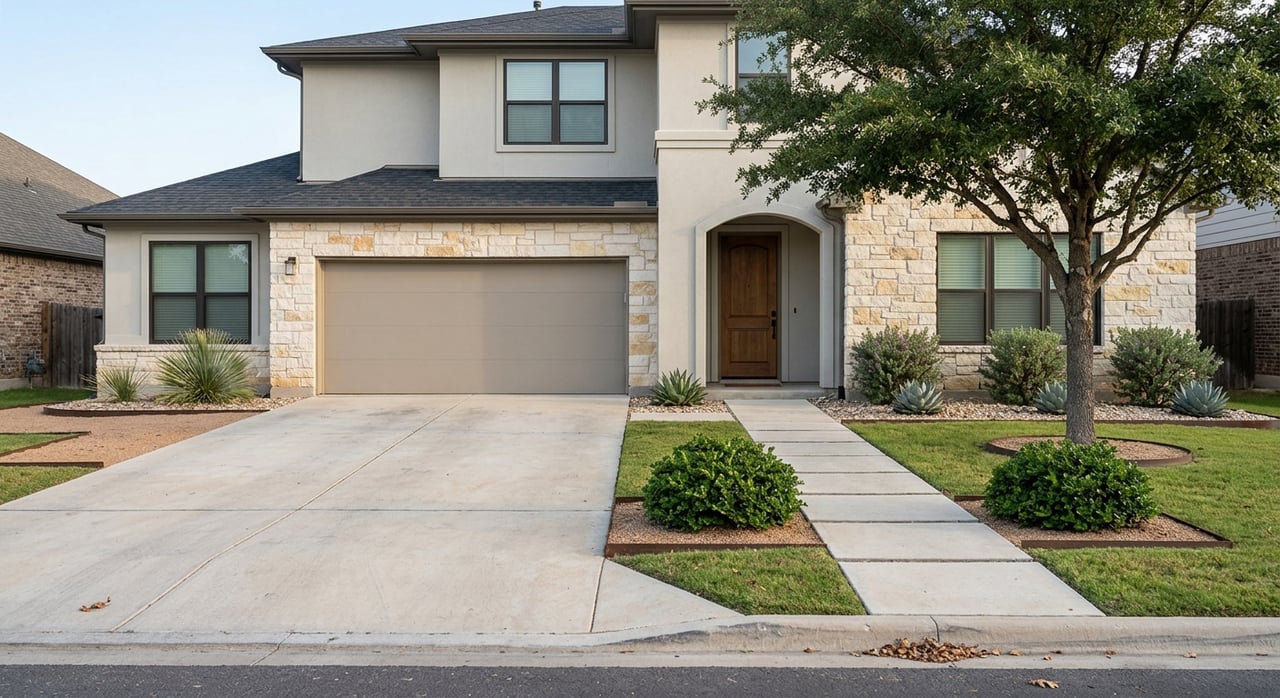
Alamo Ranch Move-Up Seller Guide for Your Next Home
July 2, 2026
July 2, 2026
Wondering how to turn your Alamo Ranch starter home into the next chapter without creating a timing headache? If you are thinking about moving up, you are probably balancing equity, repairs, showings, loan planning, and everyday life all at once. The good news is that you do not have to guess your way through it. With the right plan, you can sell thoughtfully, protect your proceeds, and move toward a home that fits your next season better. Let’s dive in.
If you own in Alamo Ranch, you are in a part of San Antonio that continues to draw buyer attention. The community is described as San Antonio’s largest master-planned community, and recent market data shows pricing above the broader metro level.
Redfin’s May 2026 neighborhood data reports a median sale price of $399,865 in Alamo Ranch, with about 53 days on market and a 98.3% sale-to-list ratio. By comparison, San Antonio overall was at $259,844 and 73 days on market. That tells you homes are still selling here, but buyers are paying attention to value.
At the same time, Realtor.com’s May 2026 page labels the area a buyer’s market and reports a median listing price of $368,850, 43 days on market, and a 99% sale-to-list ratio. The clearest takeaway is simple: Alamo Ranch is active, but it is not forgiving of overpricing or weak presentation.
Before you think about your next purchase, start with what your current home may realistically produce. Equity is the difference between your home’s market value and your remaining mortgage balance, but that number alone does not tell the whole story.
What matters more is your likely net proceeds after selling costs. You may need to account for repairs, closing costs, and moving expenses before you know how much cash you can carry into your next home.
When you plan your move-up budget, look at:
This step can help you make smarter decisions about price range, loan planning, and timing. It also keeps you focused on the real goal, which is not just selling, but selling in a way that supports your next move.
In a market like Alamo Ranch, pricing is strategy. Buyers may still be active, but they have options, and they tend to respond best to homes that feel well-prepared and well-positioned from day one.
Recent Redfin data shows that 34.2% of listings had price drops and that homes sold for about 1% below list on average over the last three months. That does not mean you should underprice your home. It means you should avoid starting too high and chasing the market later.
If your home sits too long, buyers may start to wonder what is wrong with it, even when the issue is really just price. Fannie Mae notes that the longer a home remains listed, the harder it can become to sell, and sellers may need to adjust price or incentives.
For move-up sellers, that matters even more because delays on the sale side can ripple into your next purchase. A strong launch usually creates more flexibility than a stale listing.
If you are selling a home you outgrew, it is easy to overlook small wear and tear because you have lived with it for years. Buyers will notice those things quickly, especially when they are comparing several homes in the same area.
Fannie Mae recommends a thorough inspection, needed repairs, cosmetic updates, general maintenance, decluttering, neutral styling, and staging. In practical terms, buyers are often looking for a home that feels clean, cared for, and easy to move into.
Before your home goes live, focus on:
You do not need to renovate everything to make an impact. In many cases, clean presentation, visible upkeep, and a strong first impression do more for your sale than expensive changes.
Selling while living in your home can feel like a second job. If you have kids, pets, or a busy work schedule, showings can add stress fast.
A workable plan can make a big difference. Fannie Mae recommends keeping the home clean, locking up valuables, and keeping pets safe during showings. That sounds basic, but it becomes essential when your home may be shown on short notice.
Try building a simple routine around:
The goal is not perfection every minute of the day. The goal is making your home easier to show well without turning family life upside down.
When you sell in Texas, a few state and local rules should be on your radar early. These details can affect your timeline and your paperwork.
For previously occupied single-family homes, Texas sellers must provide the TREC Seller’s Disclosure Notice. This form is required under Section 5.008 of the Texas Property Code and addresses material facts and the physical condition of the property.
In Bexar County, the appraisal district determines market value as of January 1 each year and sends a Notice of Appraised Value. That notice is informational, not a tax bill.
If you disagree with the value, the protest deadline is May 15 or 30 days after the notice was mailed, whichever is later. If you are planning to sell and buy in the same year, understanding that timing can help you avoid confusion.
Texas homeowners generally apply for a residence homestead exemption with the county appraisal district, and the general filing deadline is before May 1. The exemption is tied to your principal residence, and you cannot claim another residence homestead in or outside Texas.
If you are moving from one primary home to another, this matters. Your tax setup on the next home is part of the move-up plan, not just an afterthought.
One of the biggest move-up questions is whether to sell first or buy first. There is no one-size-fits-all answer, because the best path depends on your finances, timing, and comfort with risk.
What matters most is starting your financing conversation early. Consumer guidance on homebuying recommends preparing to shop, exploring loan choices, meeting with lenders, and reviewing official loan offers before you make a purchase decision.
If you wait until your current home is under contract, you may end up making rushed decisions. Starting earlier gives you a clearer picture of what you can afford, what your monthly payment may look like, and how much flexibility you have if the timeline shifts.
That clarity helps you compare homes with confidence. It also helps you avoid falling in love with a home before you understand the full numbers.
Move-up sellers often use a few common strategies to reduce the risk of being stuck between homes. Each one has tradeoffs, so the right choice depends on your priorities.
| Option | Main benefit | Main tradeoff |
|---|---|---|
| Sell first | More certainty on proceeds and budget | You may need temporary housing |
| Buy first | More time to shop for the next home | You may carry two housing payments |
| Close close together | Reduces the gap between homes | Timing can be harder to coordinate |
| Short rent-back | Gives you extra time after closing | May not fit every buyer’s needs |
| Home-sale contingency | Protects you if your current home does not sell first | Can make your offer less appealing |
| Bridge loan | Can help cover the transition | Adds cost and financing complexity |
Fannie Mae also reminds sellers that offers should be judged on both price and timing. In a move-up situation, the highest offer is not always the best one if it creates a closing gap that makes your next step harder.
If you want more space but do not want to change your broader routine, you may not have to go far. Redfin connects Alamo Ranch to nearby markets such as North San Antonio, West San Antonio, Northwest Side, Helotes, Fair Oaks Ranch, Bulverde, Timberwood Park, Boerne, and Stone Oak.
That can be helpful if your goal is more square footage, a different layout, or a change in lot size while keeping a familiar commute pattern. For many move-up sellers, the best next home is not across the city. It is simply the right fit within the same wider corridor.
Selling your starter home is only one part of the process. The bigger goal is creating a smooth path from where you are now to where you want to be next.
That is why move-up success in Alamo Ranch usually comes down to a few basics done well: realistic pricing, thoughtful prep, early financing conversations, and a plan for timing. When those pieces work together, you are in a much better position to protect your equity and move forward with less stress.
If you are thinking about your next step in Alamo Ranch or the north San Antonio corridor, Melisa Fitchett can help you create a smart plan for selling and moving up with confidence.
Stay up to date on the latest real estate trends.
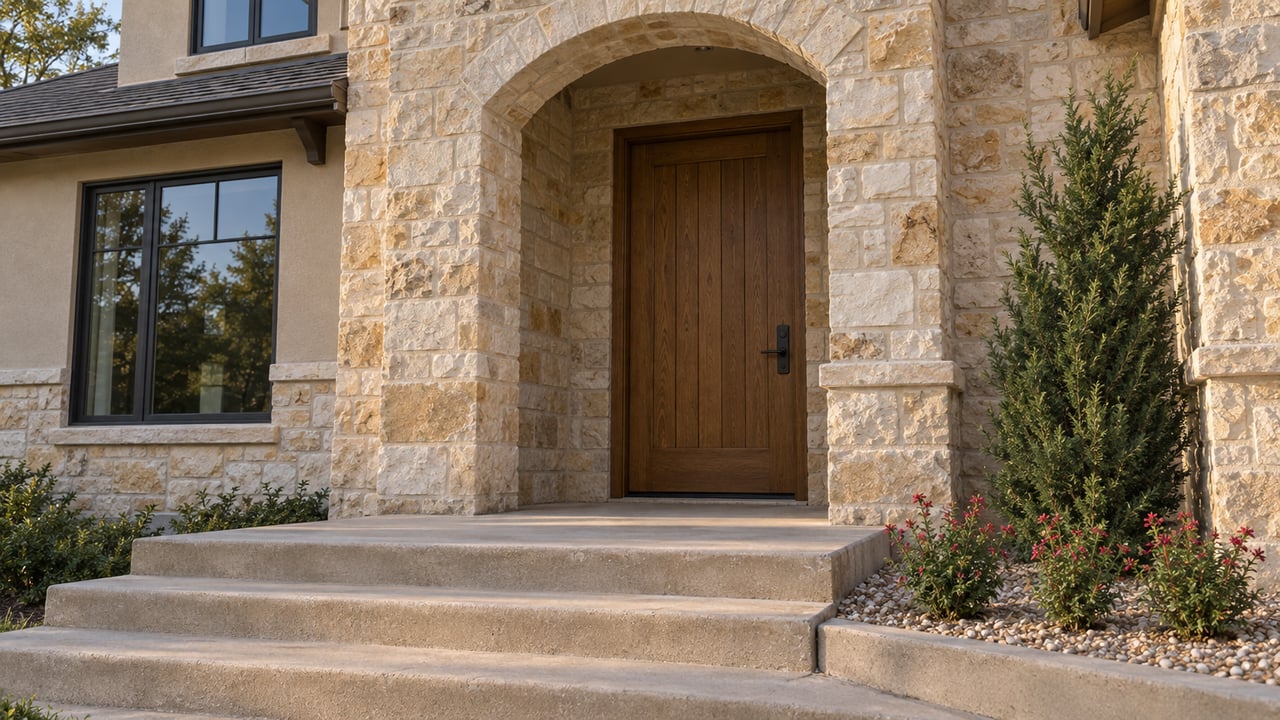
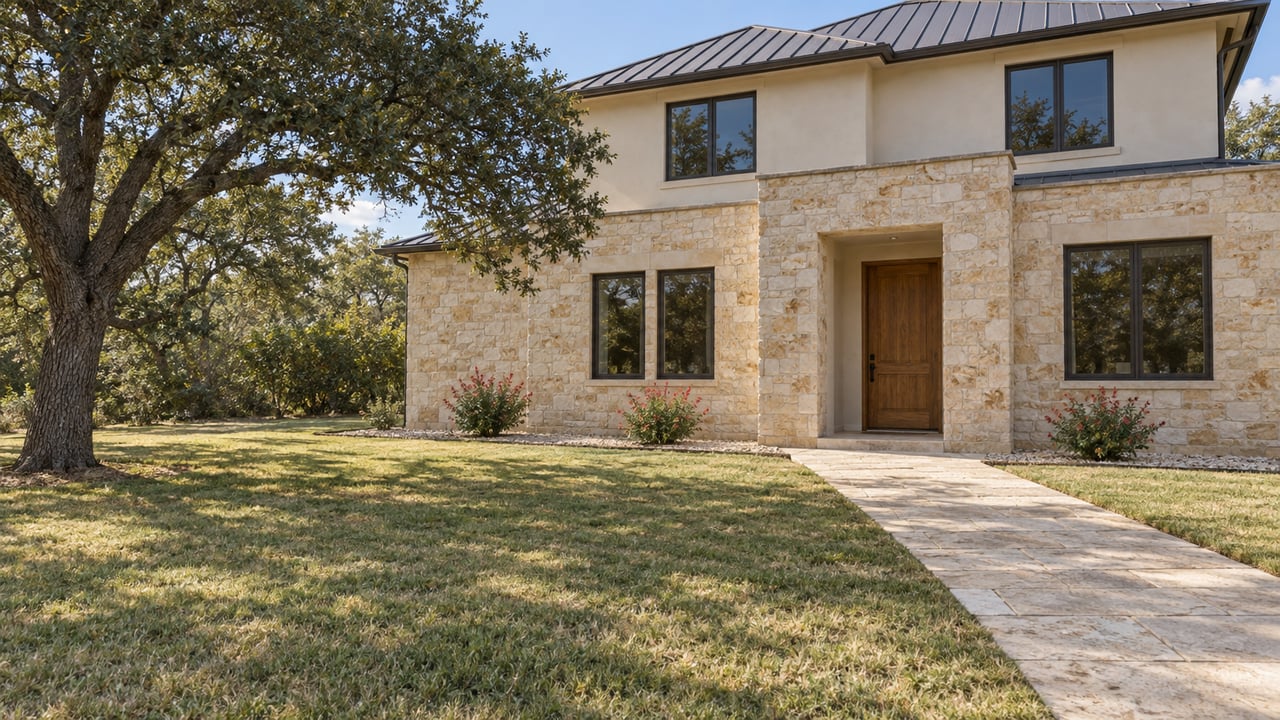
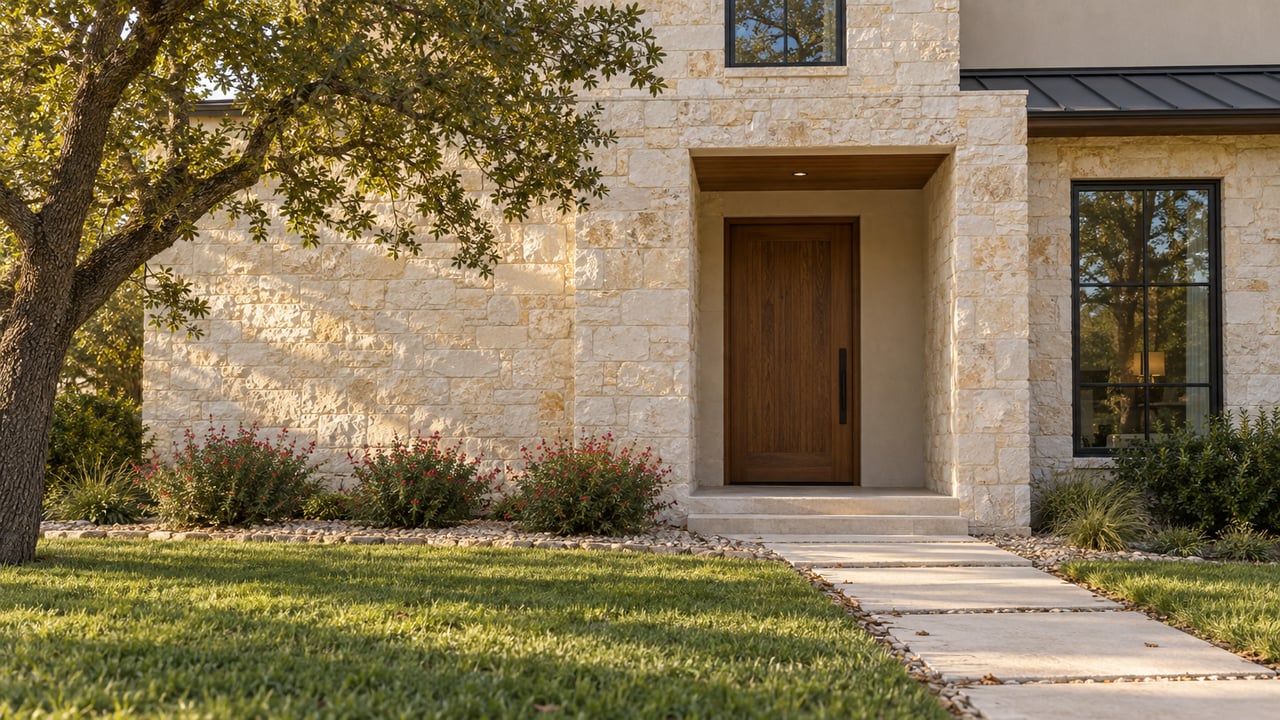

Ready to find your dream home in San Antonio? Partner with Melisa Fitchett, your dedicated Real Estate Agent with an in-depth knowledge of the area and a commitment to providing exceptional service. Whether you're looking for a cozy neighborhood in Timberwood Park or exploring vibrant communities like Bulverde, Spring Branch, Boerne, and the Hill Country, Melisa's keen eye for details ensures a seamless and rewarding real estate experience.